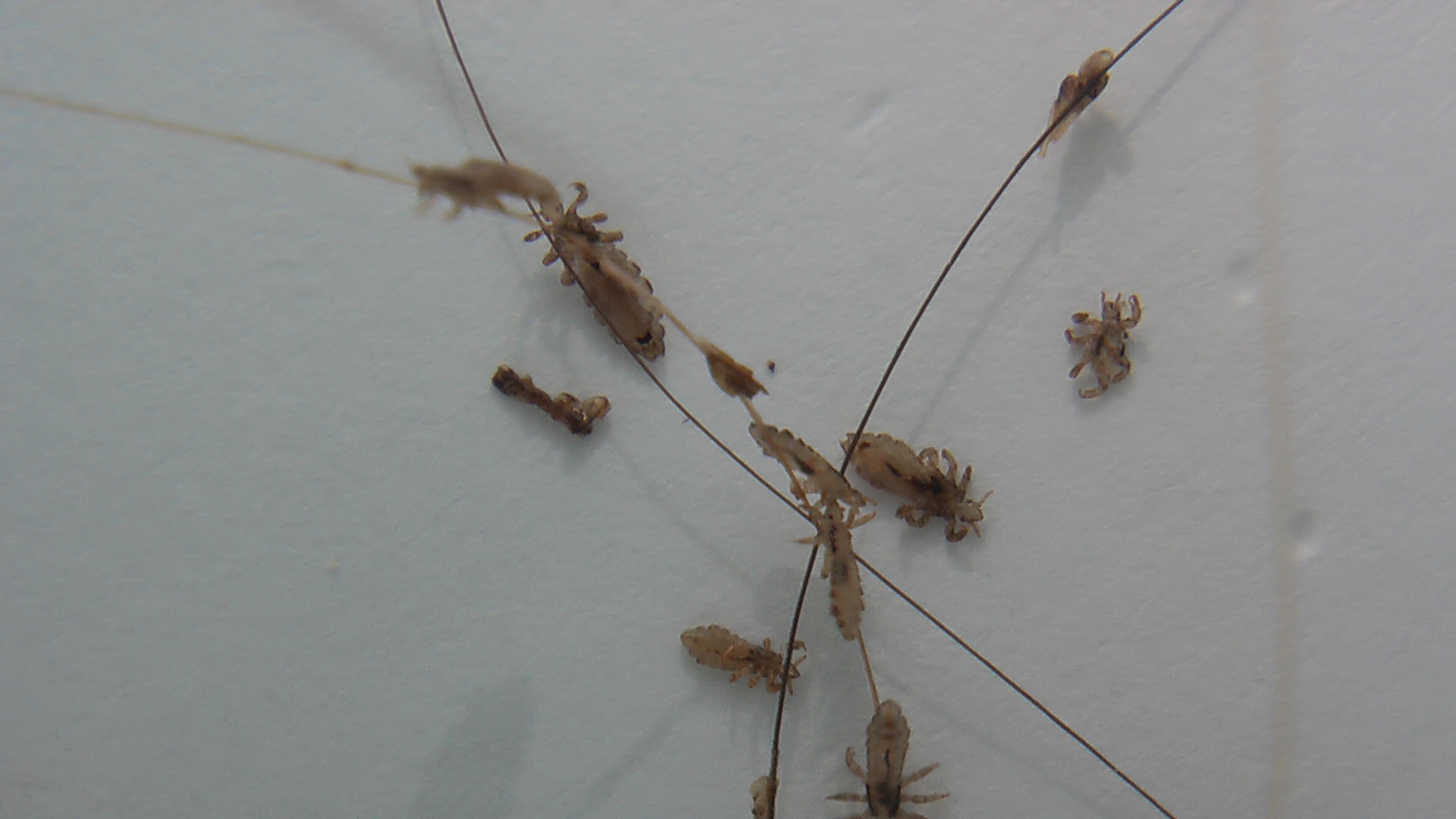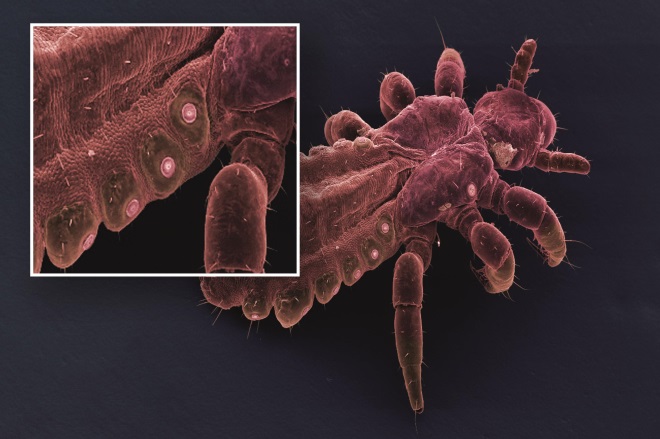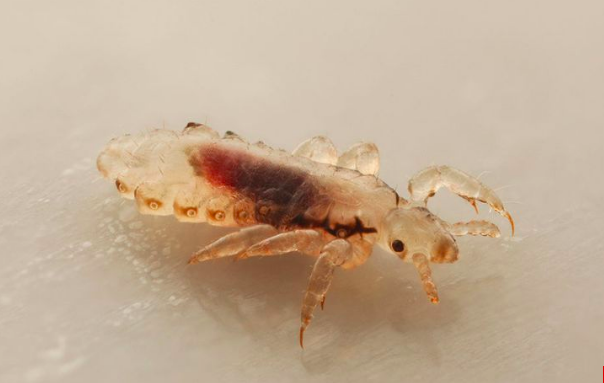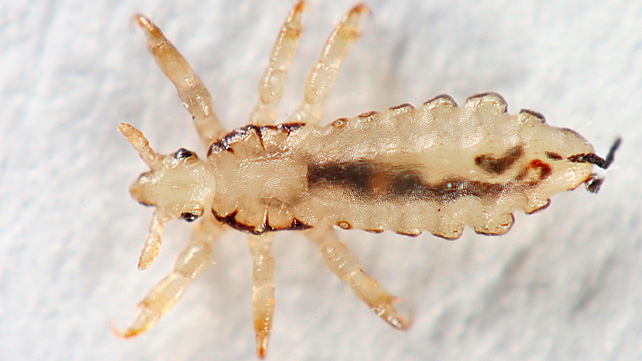
What Do Lice Look Like?
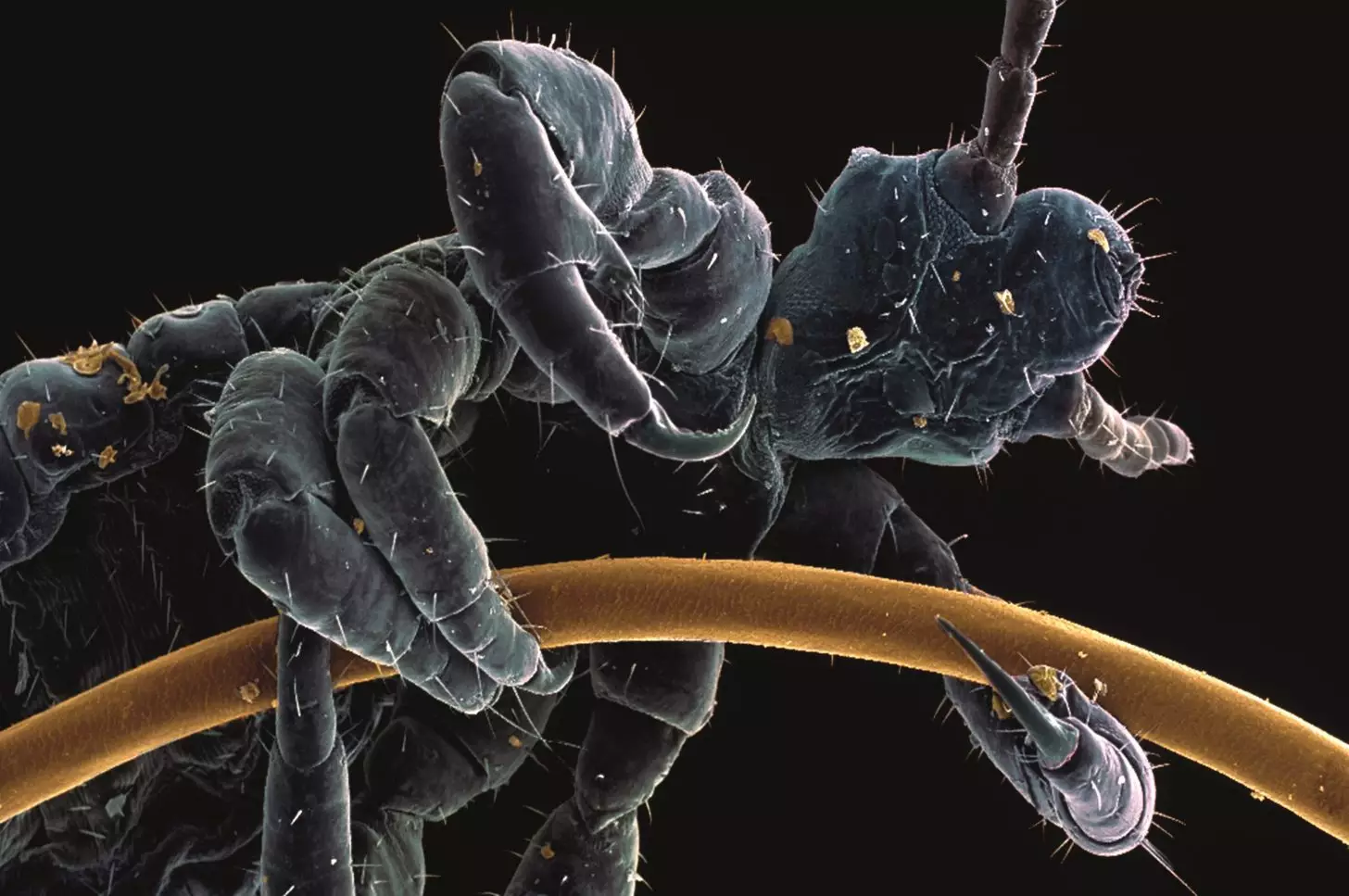
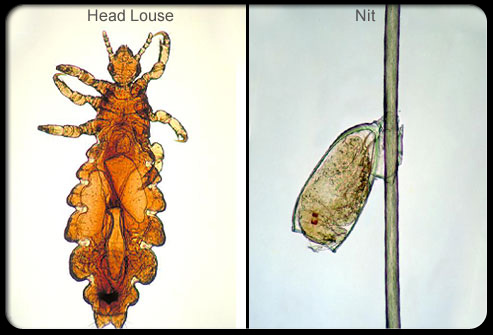
Adult head lice are about the size of a sesame seed when fully grown. Their color often depends on the host’s hair—typically darker on brunettes.
Lifespan: Up to 35 days on a person’s head.
Size: Small, wingless insects between 1 mm and 3 mm long. They have six legs.
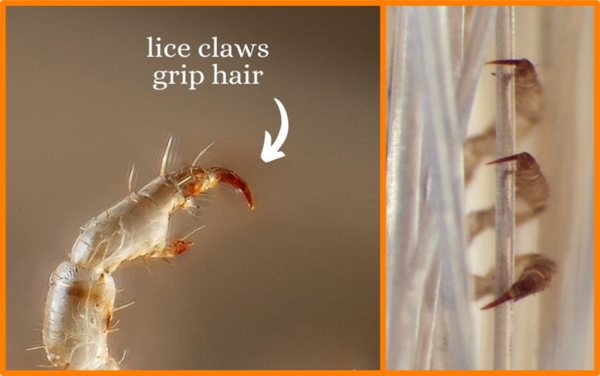
Movement: They cannot fly, hop, or jump, but their claws are specially designed to grip hair and crawl quickly along the shaft.
Habitat: Lice live close to the scalp, where it’s warm and they can stay near their food source.
Reproduction: A female can lay 8–10 eggs (nits) per day, which causes infestations to spread rapidly.
Feeding: They bite and feed on blood from the scalp several times a day.
Survival off-host: Without a food source, lice can only survive for up to 48 hours.
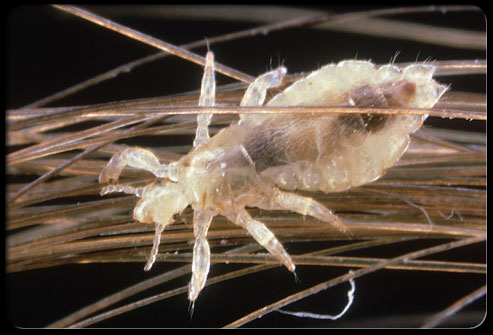
Adult Louse
Nymphs (Young Lice)
- Nymphs look almost identical to adult lice, but smaller in size.
- They develop after hatching and go through three stages of growth, maturing within 7–10 days.
- Their colour is similar to nits—yellow or tan—but darker.
- To survive, nymphs must feed on blood right after hatching.

Nymph on left side
Nits (Lice Eggs)
- Nits are lice eggs, less than 1 mm in size (about the size of a knot in a thread).
- They are oval, yellowish to tan, and firmly attached to the hair shaft.
- Nits are often mistaken for dandruff or hair residue, but unlike dandruff, they do not brush off easily.
- Eggs hatch in 6–9 days, depending on environmental conditions.
- Commonly found behind the ears and at the nape of the neck.

Lice egg/nit
Lice Identification Guide